Why choosing the right provider matters
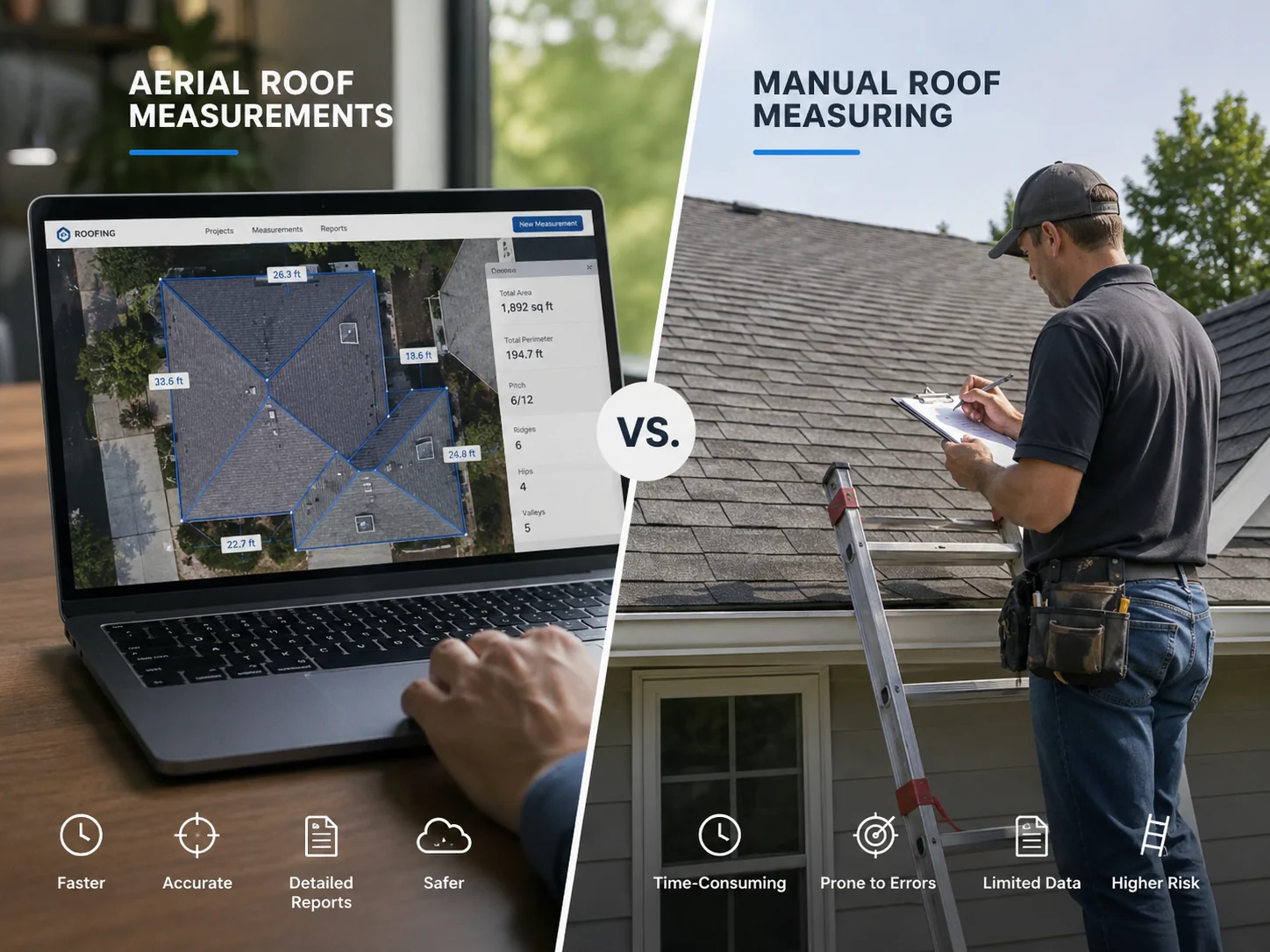
Roof measurement support can affect the speed and quality of your estimating workflow, so choosing a provider should not be treated as a minor detail. A report that is confusing, inconsistent or delayed can create more work instead of less.
That is why smart buyers evaluate more than the headline promise. They look at how the provider structures the report, how quickly the service delivers and whether the output fits their actual workflow.
Start with the sample report
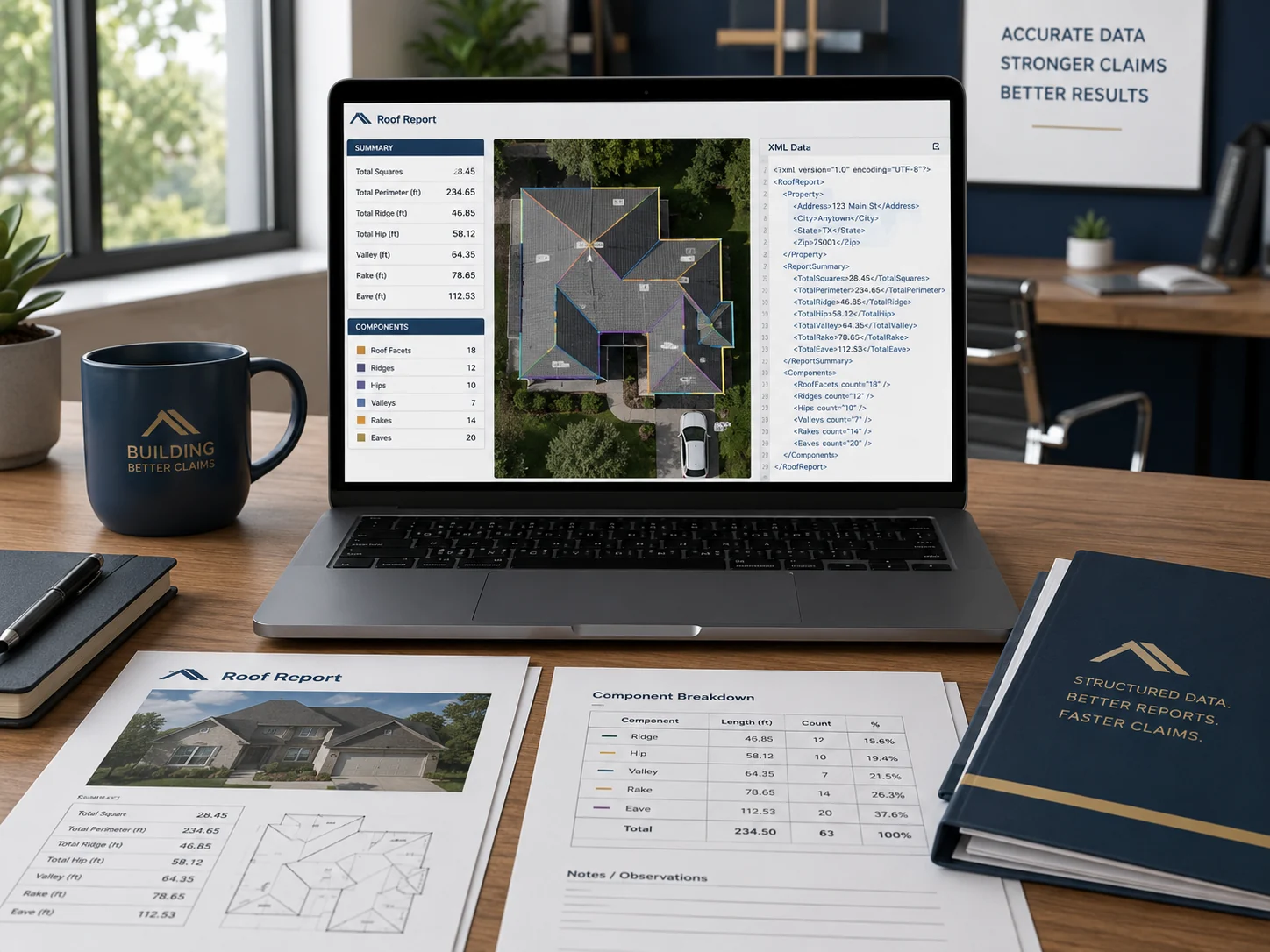
The sample report is the single best place to begin. It shows you the provider’s standards in a practical way. You can immediately see whether the sketches are readable, whether the tables make sense and whether the report feels estimator-friendly.
If the sample is hard to follow, the live work will probably create the same problem. Strong providers make their samples easy to review because they know clarity is part of the value.
Evaluate turnaround and service reliability
Turnaround is more than a convenience. It determines how quickly your business can move from intake to estimate. Ask what the normal delivery expectation is and whether the provider can handle spikes in demand.
Also consider communication quality. If a provider is difficult to work with before you order, they are unlikely to become easier to work with after the order is placed.
Think about report usability, not just technical output
A technically detailed report still loses value if your team cannot use it efficiently. That is why layout, organization and consistency matter so much. A usable report saves time. A cluttered report creates another layer of review work.
Ask yourself whether your estimator, project manager or adjuster could open the report and understand it in minutes. That practical test says a lot.
Questions buyers should ask
Buyers should ask what formats are supported, what the turnaround time is, how complex roofs are handled, whether the provider offers hand-traced reports and what exactly is included in the deliverable. They should also ask whether the service is built for contractors, adjusters or both.
These questions help move the decision beyond price and toward workflow fit, which is what really drives value over time.
Ask how the provider handles complex roofs, unclear imagery and revisions
Simple roofs rarely reveal the strength of a measurement provider. Ask what happens when the property has heavy tree cover, multiple additions, mixed pitches, detached structures or roof sections that are difficult to interpret. A professional provider should have a process for reviewing those conditions instead of treating every order the same.
Also ask how corrections are handled if the client identifies a missing structure or needs a scope change. The goal is not to expect that revisions never happen; the goal is to understand whether the provider responds quickly and communicates clearly when they do.
This is especially important for contractors that plan to send recurring volume. One difficult property can reveal more about service quality than several easy gable roofs.
Match the provider to the way your company actually estimates
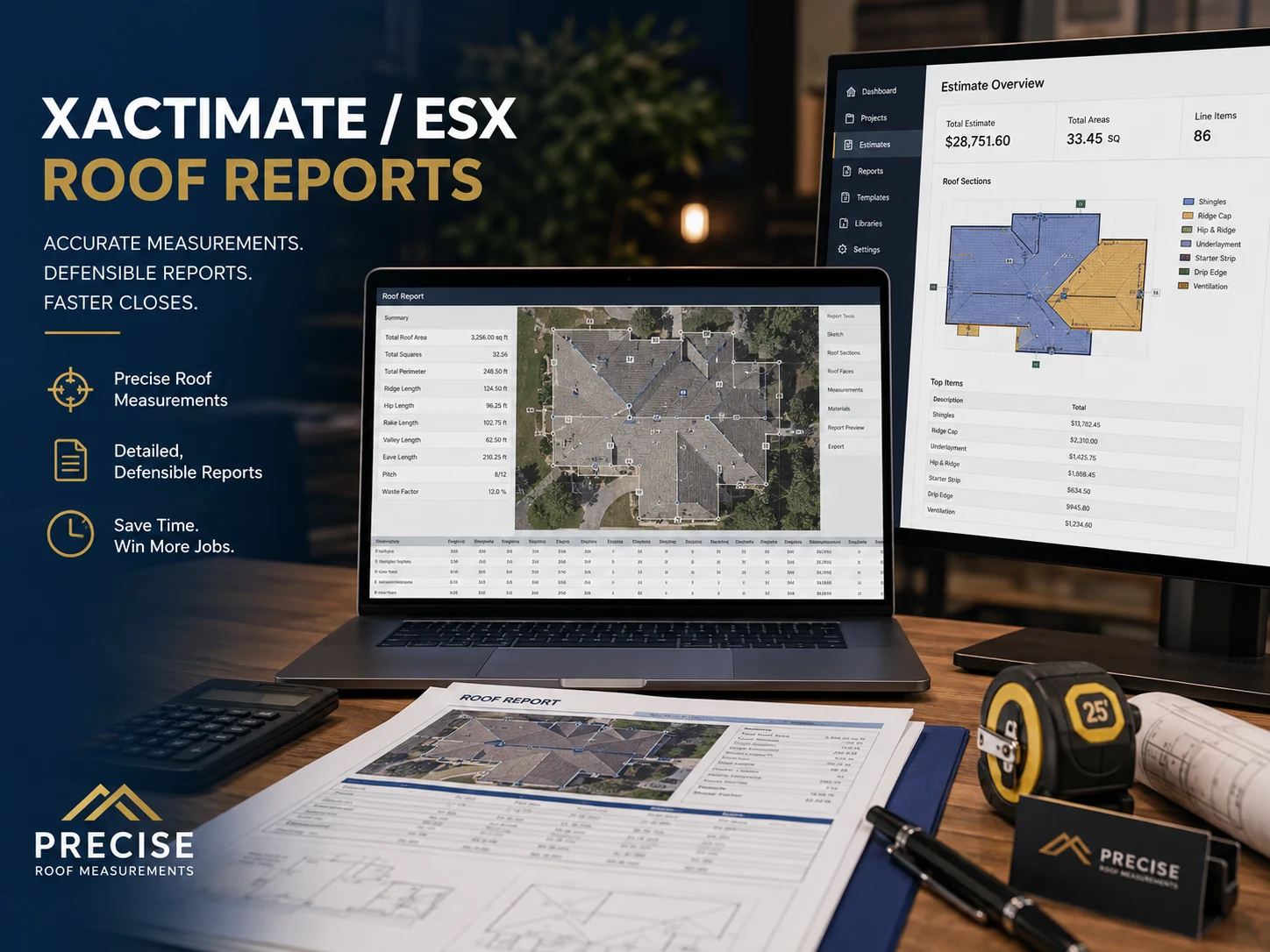
A roofing company that mainly uses Xactimate may prioritize ESX support, while another contractor may need XML or PDF-only reports. Some teams care most about residential speed, while others handle large commercial or multifamily properties. The best provider is the one that fits the workflow your team already uses.
Consider who will review the report internally. If salespeople, estimators and supplement writers all use the document, readability becomes especially important. If the report is mainly imported into an estimating platform, file consistency and compatibility may carry more weight.
Choosing for workflow fit usually creates more value than choosing only on price.
How to evaluate a provider after the first few orders
A provider may look good on the first sample, but contractors should evaluate what happens after the relationship becomes routine. Reports should arrive in the same general format, turnaround should remain predictable and questions should be handled without repeated follow-up.
Pay attention to revision frequency. Occasional clarification is normal, especially on difficult properties, but repeated corrections for the same type of issue may indicate a process problem. A dependable provider should learn the client’s preferences and become easier to work with over time.
For contractors that expect storm-related spikes, the final test is capacity. The provider should be able to maintain report quality and communication when order volume increases instead of performing well only at low volume.
What a dependable service level looks like after the first few orders
A provider may look good on the first sample, but contractors should evaluate what happens after the relationship becomes routine. Are reports delivered in the same format every time? Are questions answered promptly? Does turnaround remain predictable when several orders are submitted at once? Those details determine whether the service can support day-to-day operations.
Revision handling is another important test. If the client needs an additional structure included or identifies a scope change, the provider should have a clear correction process. Contractors do not need every order to be problem-free, but they do need a partner that resolves issues quickly and documents what changed.
Long-term value comes from reliability. A measurement provider that consistently saves estimator time, communicates clearly and delivers usable reports can become part of the contractor’s normal operating system rather than an occasional outside vendor.
A simple scorecard for comparing roof measurement providers
Contractors can make provider selection more objective by scoring a few trial reports. Useful categories include roof sketch clarity, measurement readability, turnaround, communication, revision handling and whether the delivered format works smoothly with the estimating process. A simple one-to-five score for each category makes comparison easier than relying on price alone.
The scorecard should be completed by the people who actually use the reports. An owner may care about cost and turnaround, while an estimator may notice layout problems or missing details that would not be obvious from a management review. Combining those perspectives gives a more realistic picture of service quality.
After several orders, the contractor can compare the score with the internal time saved. A provider that reduces estimator workload consistently may create more value even if its per-report price is not the lowest.
Common questions
Here are a few practical questions that often come up when contractors, adjusters and restoration teams evaluate this topic.
What is the best first thing to review?
Look at a sample report. It reveals the provider’s clarity, organization and professionalism immediately.
Should I choose based on price alone?
No. Low pricing is not helpful if the report is unclear or turnaround is unreliable.
What is the best way to test a new measurement provider?
Send a few properties your team already understands, then compare report clarity, turnaround, communication and how the provider handles questions.
Need help with Roof Measurement Reports?
If your team wants reliable measurement support with fast turnaround and clear report presentation, TrueTrace Measurements can help you move from intake to estimating faster.
Explore the Service