What is an ESX roof report?
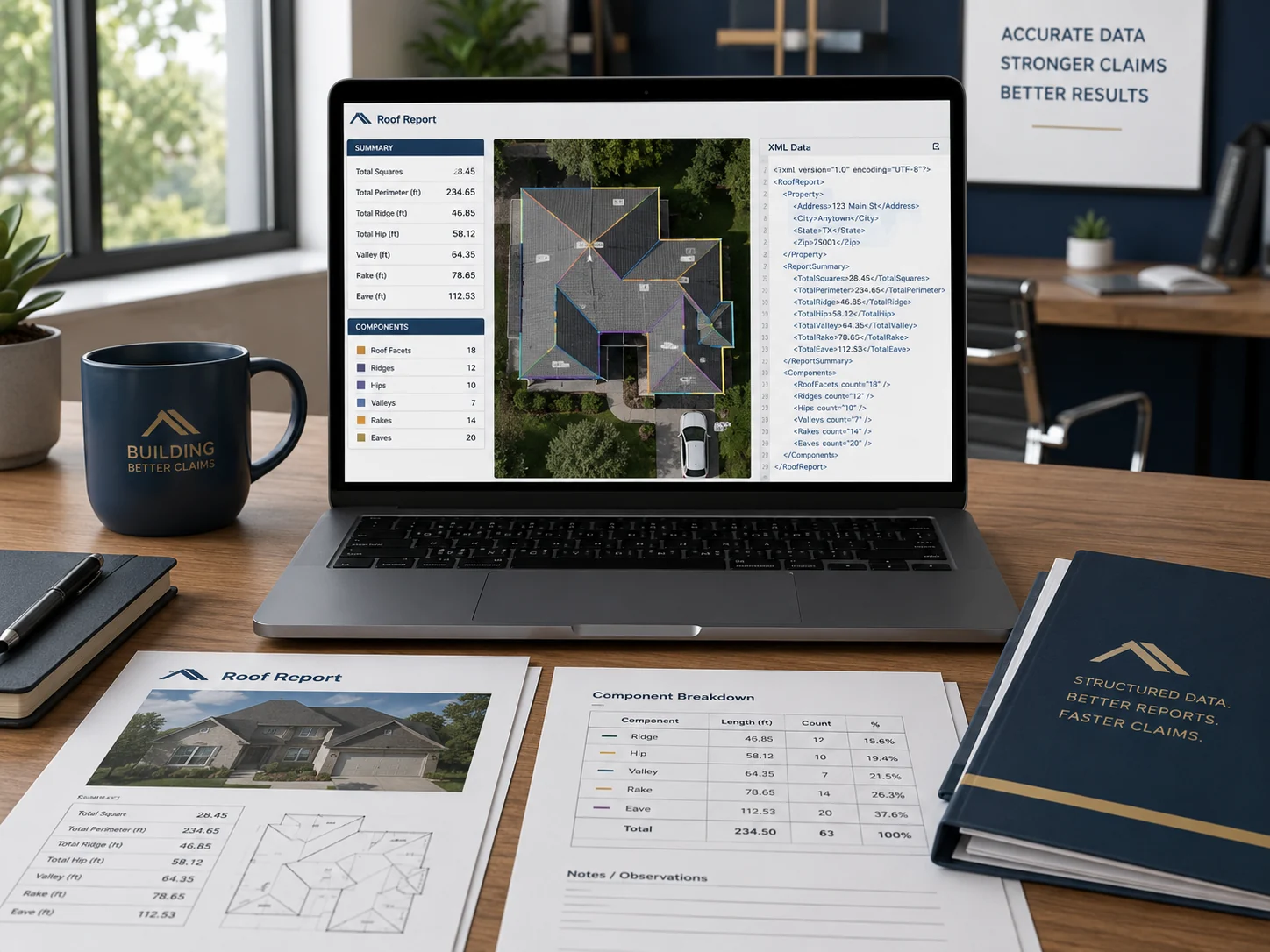
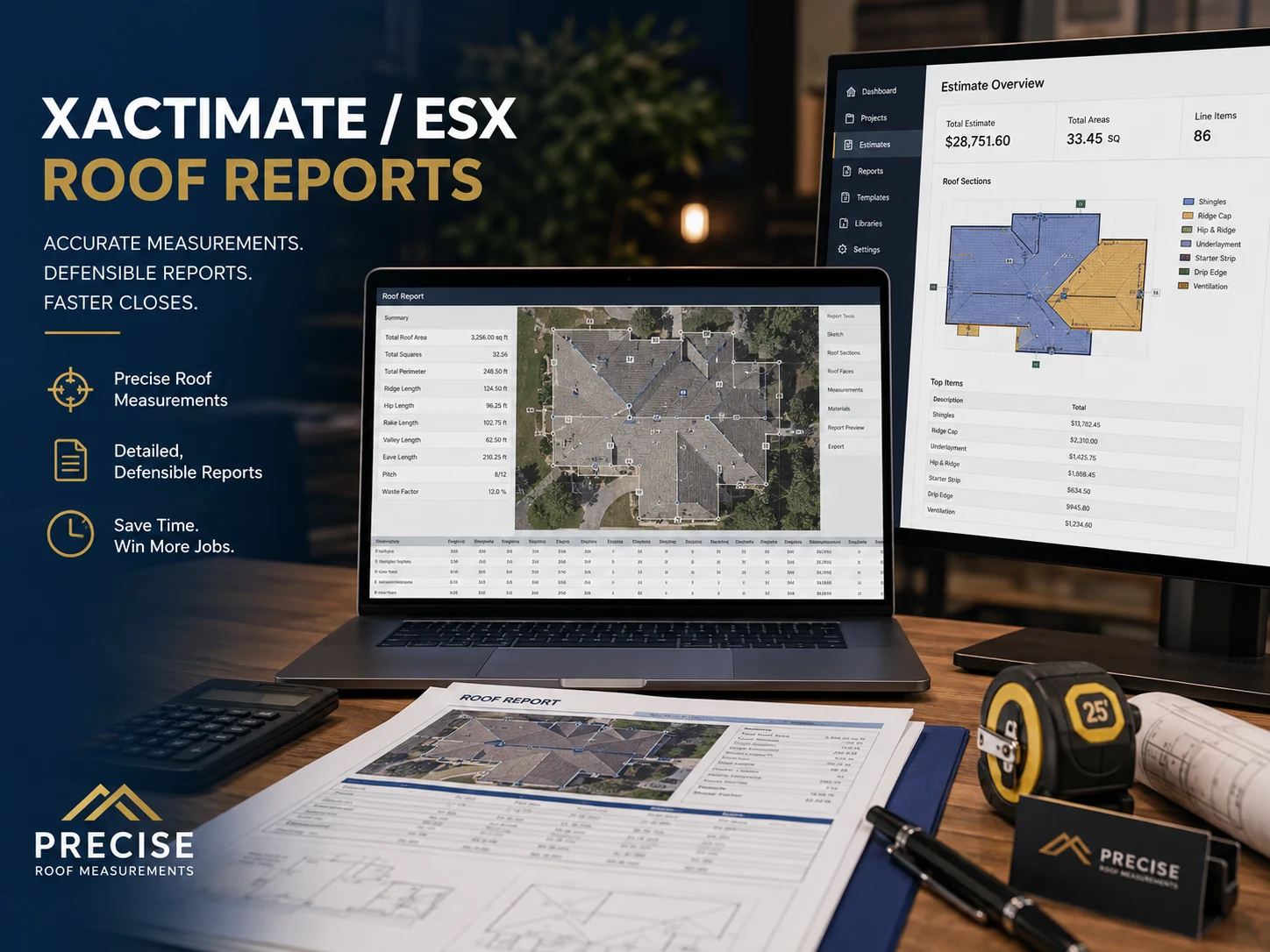
An ESX roof report is a roof measurement deliverable prepared specifically to support Xactimate-based estimating workflows. It normally combines structured measurement data with a clear visual report so the estimator does not have to start from zero. Instead of taking rough notes and building every roof section manually, your team receives a cleaner starting point that can be reviewed quickly and used immediately.
The practical value of an ESX roof report is not just the file extension. The real value is the time it saves and the consistency it creates. A quality report should present roof geometry, pitch information, areas, and line measurements in a way that supports faster estimating. When that happens, the estimator can spend less time reconstructing the roof and more time building a complete estimate.
Why Xactimate users rely on ESX reports
Xactimate is powerful, but it works best when the measurement side is already organized. That is why roofing contractors, public adjusters, restoration companies and supplement teams often prefer ESX-ready roof reports. The report reduces the most repetitive part of the workflow and helps the estimating process begin with cleaner information.
This matters even more when business volume increases. During storm season or heavy supplement periods, small delays multiply quickly. If your team loses even fifteen or twenty minutes per file because someone has to recreate the roof setup from scratch, that lost time compounds. ESX reports help remove that drag from the process.
What should be included in a professional ESX report?
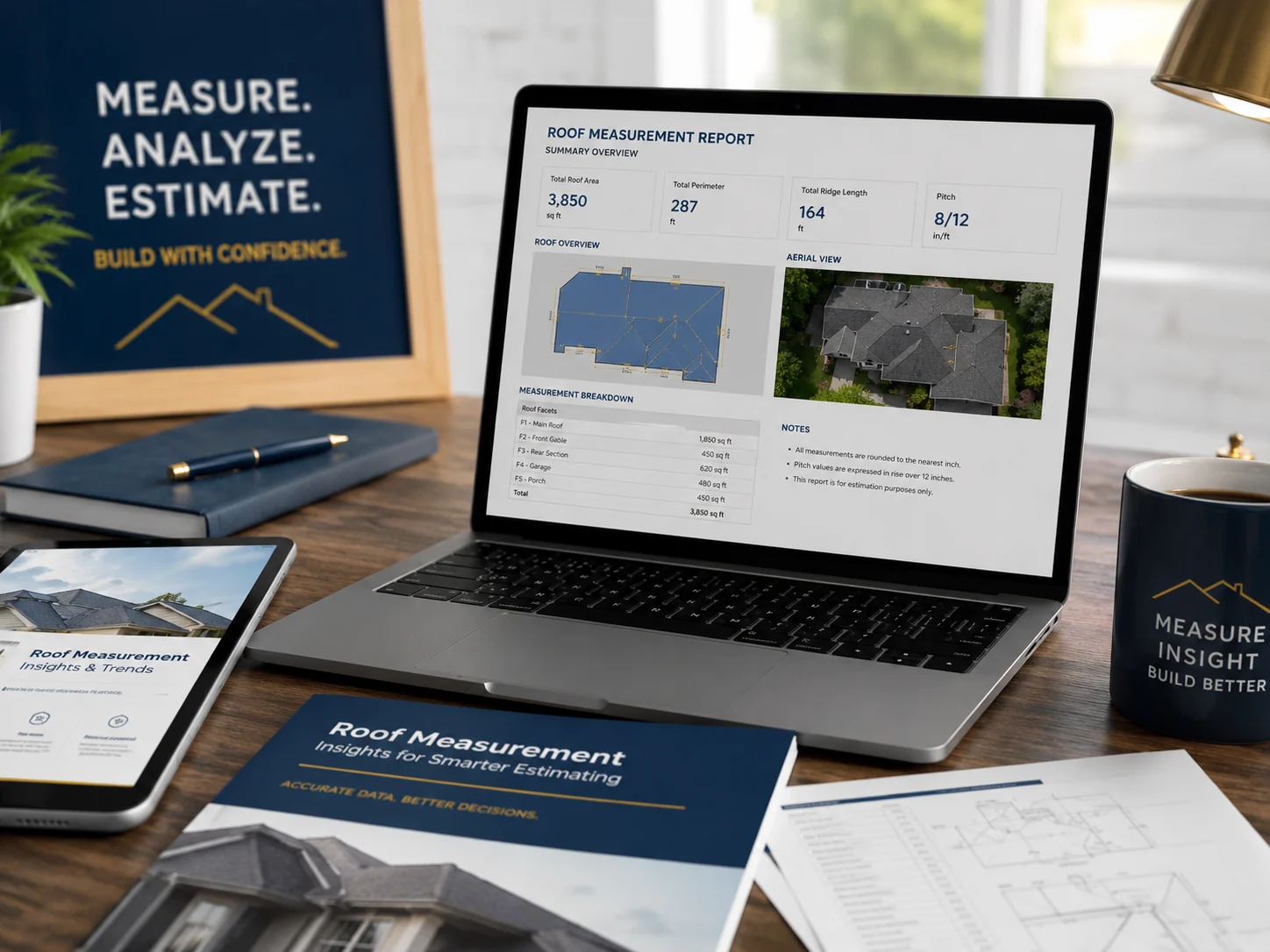
A strong ESX roof report should include more than a basic sketch. In most cases, contractors want a hand-traced roof layout, aerial imagery, a summary of ridge, hip, valley, rake and eave lengths, roof-face areas, pitch values and a clear companion PDF. The PDF matters because many teams review the visual report before or alongside the file import workflow.
The best deliverables are also easy to read. Tables should be organized, labels should be clear and the structure should support quick internal review. A report is only useful if your estimator, adjuster or project manager can understand it without confusion.
How ESX reports help contractors and adjusters
For roofing contractors, ESX reports help estimators work faster while protecting time for higher-value tasks such as sales, supplements and customer communication. Instead of spending additional hours on measurement prep, the team can move directly into estimating and proposal work.
For public adjusters and restoration teams, the value is similar. Claims move faster when measurement work is already complete and clearly documented. Supplement teams also benefit because a polished report makes it easier to revisit the file, defend scope details and maintain consistency across team members.
When outsourcing ESX measurement support makes sense
Outsourcing is often the best choice when the business has strong internal estimators but limited capacity for repetitive measurement work. It is especially useful when file volume rises suddenly, because hiring and training new in-house support for short peaks is expensive and slow.
It also makes sense for owners who want predictable turnaround without sacrificing quality. If your team is waiting for measurements, the estimate is waiting as well. A dependable outside measurement partner can reduce that lag and improve total throughput.
How ESX measurements support material and line-item review
A roof measurement report becomes more valuable when the estimator can connect each dimension to the materials and line items being priced. Ridge and hip lengths can influence ridge-cap quantities, while eave and rake lengths are commonly reviewed when calculating starter and drip edge. Valley measurements may affect underlayment, valley metal or shingle quantities depending on the roofing system and company standards.
Pitch and total roof area also influence estimating decisions. Steeper roofs can change labor assumptions, access requirements and safety considerations, while facet-level areas help estimators understand how material is distributed across the structure. The ESX file does not make those estimating decisions for the contractor, but it gives the estimator organized geometry so those decisions can be made faster.
For supplement teams, the same dimensions create a consistent reference when a carrier estimate differs from the contractor estimate. Instead of re-measuring the roof during every review, the team can return to the same roof geometry and focus on the scope differences that actually need attention.
A practical ESX review checklist before the estimate is finalized
Before finalizing an estimate, the estimator should compare the ESX roof geometry with inspection photos and the PDF report. Confirm that the correct structures are included, check whether attached garages or porch roofs are represented, review pitch assignments and make sure unusual roof sections are not missing.
It is also useful to scan the ridge, hip, valley, rake and eave totals for values that look inconsistent with the roof shape. This quick review does not take long, but it helps catch address errors, imagery issues or interpretation questions before they become estimate revisions later.
Keeping the ESX file, PDF report and field documentation together in the project folder creates a cleaner record for supplements, production handoffs and future claim questions.
Final thoughts
If your team uses Xactimate regularly, ESX roof reports are more than a convenience. They are a way to improve estimating speed, create consistency and reduce one of the most repetitive technical tasks in the file preparation process.
For contractors that use Xactimate every day, the real benefit is operational: one clean roof reference can support the initial estimate, later supplements and internal handoffs without repeatedly rebuilding the roof from scratch.
How contractors can use one ESX report across the entire job lifecycle
The same roof measurement package can remain useful well after the initial estimate is written. Sales teams may use the PDF to discuss the size and shape of the roof, estimators use the ESX data to build pricing, supplement writers refer back to the measurements when carrier quantities differ, and production teams may use the roof sketch to understand how different sections connect before material ordering or installation planning begins.
Using one consistent measurement reference also reduces internal disagreement. If a salesperson, estimator and project manager each create their own roof dimensions, small differences can lead to confusion later. A centralized ESX and PDF package gives the team a common starting point and creates a cleaner project record.
Contractors that process many claims can make this part of their standard file structure. Keeping the report, estimate, inspection photos and supplements together makes future review faster and helps new team members understand the job if responsibility changes during the project.
Common questions
Here are a few practical questions that often come up when contractors, adjusters and restoration teams evaluate this topic.
Does an ESX roof report replace the estimator?
No. It supports the estimator by handling the measurement work more efficiently so the estimator can focus on scope and pricing.
Should I still review the PDF if I receive an ESX file?
Yes. The PDF helps your team validate areas, pitches and line lengths quickly before finalizing the estimate.
Are ESX roof reports useful during storm season?
Absolutely. They help overloaded teams process more files without increasing field measuring work.
Need help with Xactimate / ESX Reports?
If your team wants reliable measurement support with fast turnaround and clear report presentation, TrueTrace Measurements can help you move from intake to estimating faster.
Explore the Service